
Understanding Different Types of Printing Inks and Their Applications
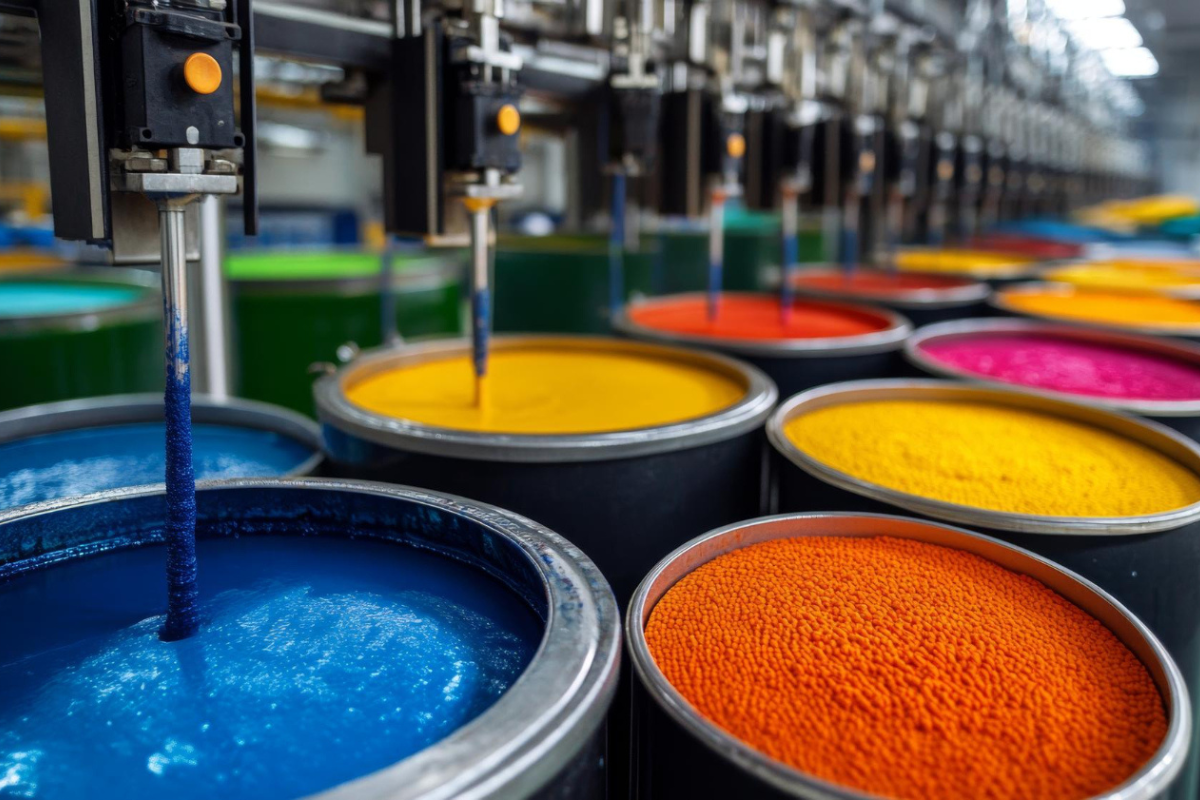
Printing ink is one of the most important materials in the printing and packaging industry.
It affects color reproduction, substrate adhesion, drying performance, production efficiency and the finished product’s durability.
Whether a printing business produces product labels, flexible packaging, cartons, books or promotional materials, selecting the appropriate ink is essential.
Understanding the different types of printing inks can help printing companies make informed technical and purchasing decisions.
What Is Printing Ink?
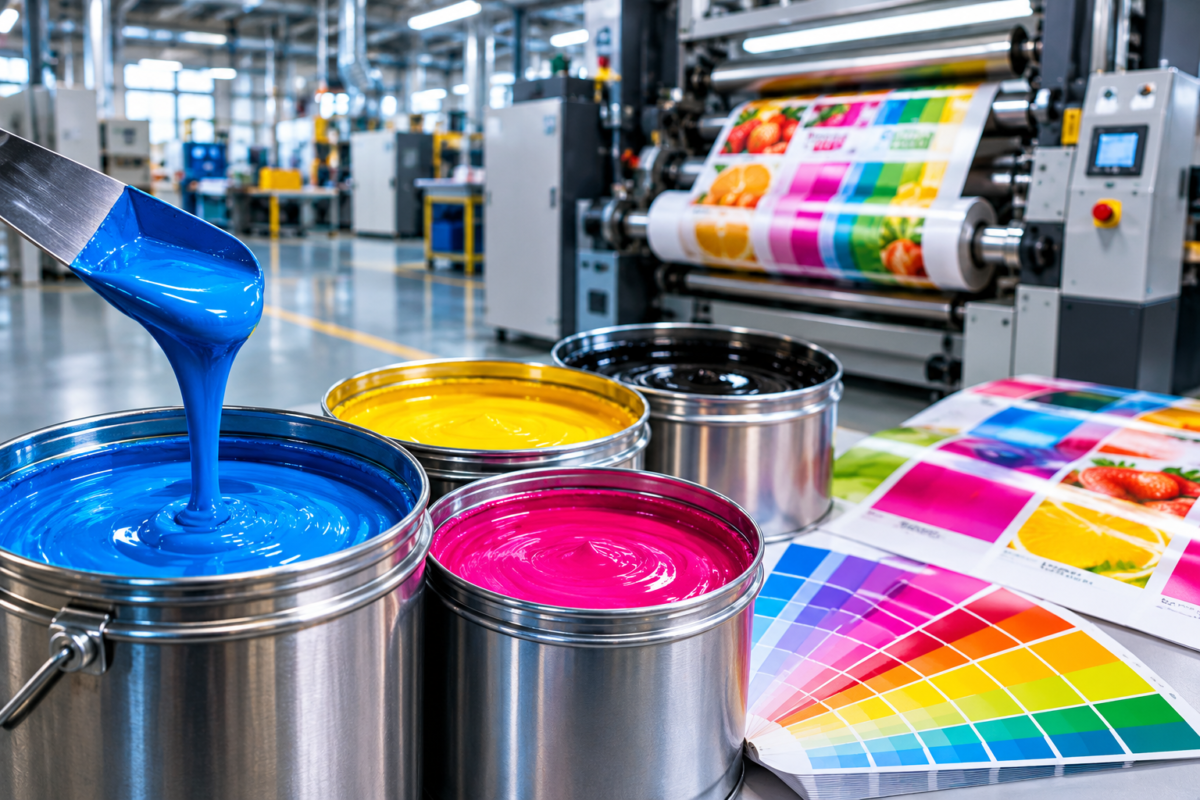
Printing ink is a formulated material used to transfer images, text and graphics onto a substrate.
Depending on the printing technology, an ink may contain pigments or dyes, binders, carriers and performance additives.
The formulation determines how the ink transfers, dries or cures, adheres to a surface and performs during product use.
Importantly, printing inks are not universally interchangeable between different printing processes.
Common Types of Printing Inks
1. Conventional Offset Printing Inks
Conventional offset inks are used in compatible lithographic printing presses.
They are commonly formulated as paste inks designed to work with the offset ink-and-dampening system.
Common applications include:
Books and magazines
Brochures and catalogs
Paper packaging
Commercial printed materials
Ink selection should consider paper characteristics, drying behavior, ink-water balance and the intended finishing process.
2. Water-Based Printing Inks
Water-based inks use water as a major component of the liquid carrier system.
They are widely used in suitable flexographic and other printing applications.
Common uses include paper packaging, corrugated board and selected labels and flexible packaging materials.
Potential advantages include suitability for many paper-based applications, potentially simpler cleaning with approved systems, and reduced reliance on organic solvents in appropriate applications.
However, performance depends on the substrate, drying equipment and formulation.
3. Solvent-Based Printing Inks
Solvent-based inks use organic solvents as part of the carrier system.
They are commonly used in suitable flexographic and gravure printing applications, particularly for certain flexible packaging structures.
They can offer fast drying and good adhesion when correctly matched to the substrate.
However, solvent handling introduces ventilation, fire-safety, emissions and occupational exposure requirements.
Printers must use appropriate equipment and comply with relevant safety and environmental regulations.
4. UV-Curable Printing Inks
UV-curable inks are formulated to polymerize when exposed to suitable ultraviolet energy.
They are used in compatible printing processes, including certain label, packaging, screen and offset applications.
Potential advantages include fast curing and durable print finishes.
However, correct curing equipment, UV dose, substrate compatibility and handling controls are essential.
UV inks should never be treated as direct substitutes for conventional inks without confirming machine compatibility.
Comparing Major Ink Technologies
| Ink type | Typical applications | Primary drying or curing mechanism |
|---|---|---|
| Conventional offset | Paper printing, books, cartons | Absorption and/or oxidative drying, depending on formulation |
| Water-based | Paper packaging, compatible labels and films | Water evaporation and film formation |
| Solvent-based | Compatible films and flexible packaging | Solvent evaporation |
| UV-curable | Labels, specialty printing, compatible packaging | UV-initiated polymerization |
Actual suitability varies by ink formulation and printing technology.
How to Select the Right Printing Ink
Identify the Printing Process
Start with your machine type.
An offset printing press, flexographic press and digital inkjet system have different ink requirements.
Understand Your Substrate
Determine whether the material is coated paper, uncoated paper, plastic film, board or another substrate.
Surface properties influence ink wetting, adhesion and final appearance.
Check Drying and Curing Requirements
The ink must be compatible with the press’s drying or curing system.
Insufficient drying or curing can create production defects and product-performance problems.
Evaluate End-Use Requirements
Consider whether the final product requires scratch resistance, rub resistance, heat resistance, lamination or other specialized properties.
For food-related packaging, select inks using a validated application-specific safety and regulatory assessment.
Perform Print Trials
Before placing a large order, conduct trials using the actual substrate and production conditions.
Evaluate color consistency, adhesion, drying or curing performance and required product resistance.

Common Printing Ink Problems
Poor Ink Adhesion
Ink may fail to adhere properly because of substrate contamination, inadequate surface treatment or incompatible chemistry.
Slow Drying
Insufficient drying capacity, excessive ink application or unsuitable production settings may delay drying.
Color Inconsistency
Variations in formulation, ink viscosity, substrate properties and press settings can affect color reproduction.
Smudging or Marking
Incomplete drying or curing, unsuitable finishing conditions or improper handling can damage freshly printed materials.
These problems require process-specific diagnosis rather than automatically replacing the ink.
Why Printing Ink Quality Matters
Consistent ink performance helps businesses maintain production quality.
Correct ink selection can also support dependable finishing operations, predictable color reproduction and reduced material waste.
Conclusion
Different printing applications require different ink formulations.
Understanding conventional offset, water-based, solvent-based and UV-curable inks helps printers select suitable materials, manage production quality and reduce avoidable waste.
Need printing inks for your production requirements?
Materials Index BD supplies printing industry materials for commercial printing and packaging applications.
Contact Materials Index BD to discuss suitable ink solutions based on your printing process and substrate requirements.