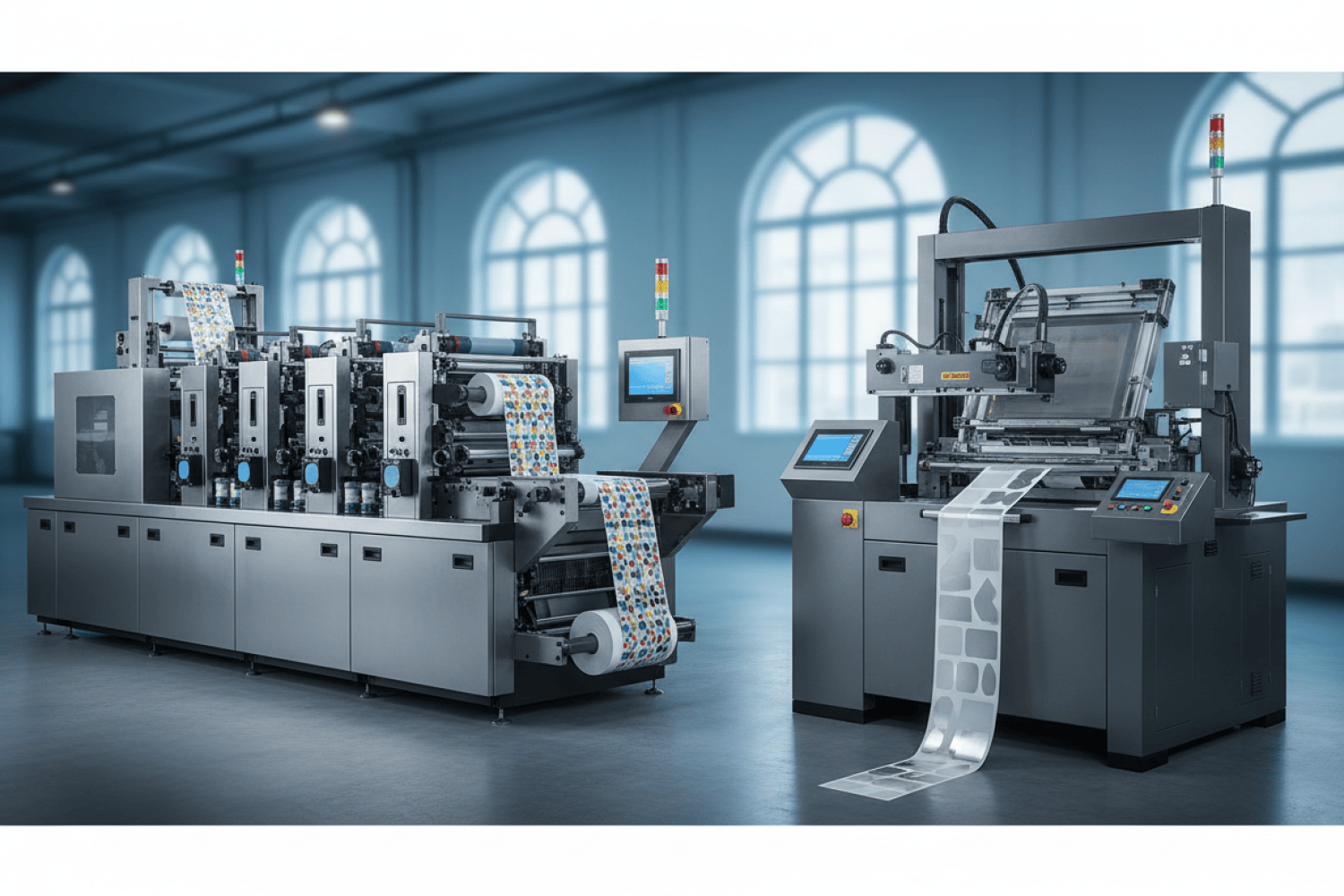
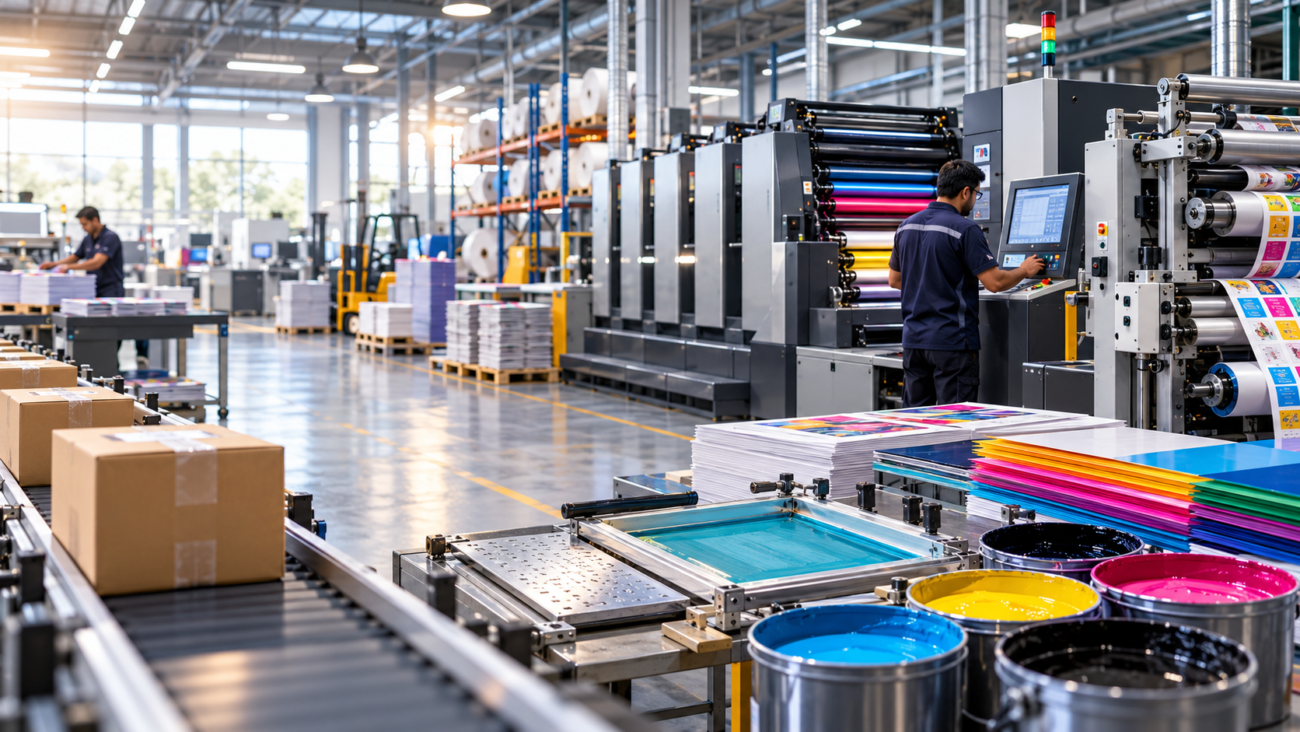
Choosing between a flexographic printing machine and a screen printing machine is one of the most important production decisions for label and packaging converters. Both can print on rolls of material, but they apply ink differently and suit different graphics, substrates and finishing requirements. This practical comparison helps printing businesses in Bangladesh choose machinery based on the job rather than the machine name alone.
How a flexographic printing machine works
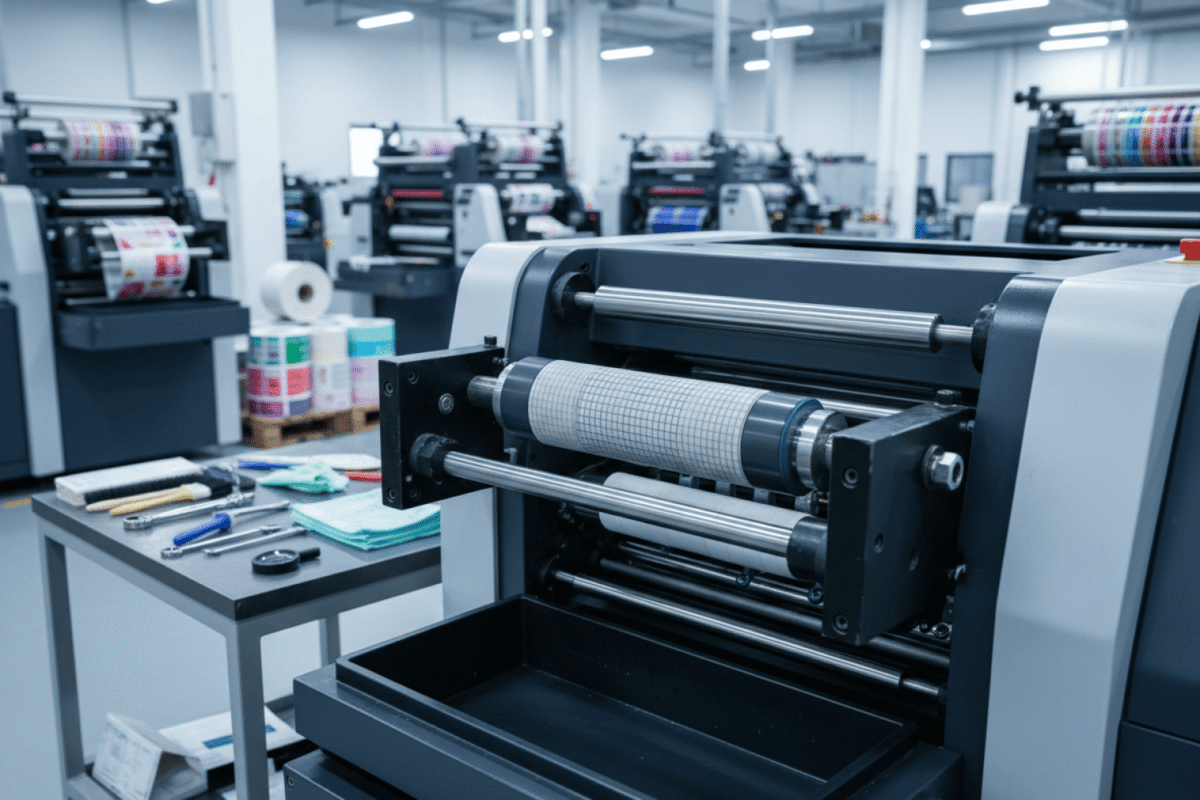
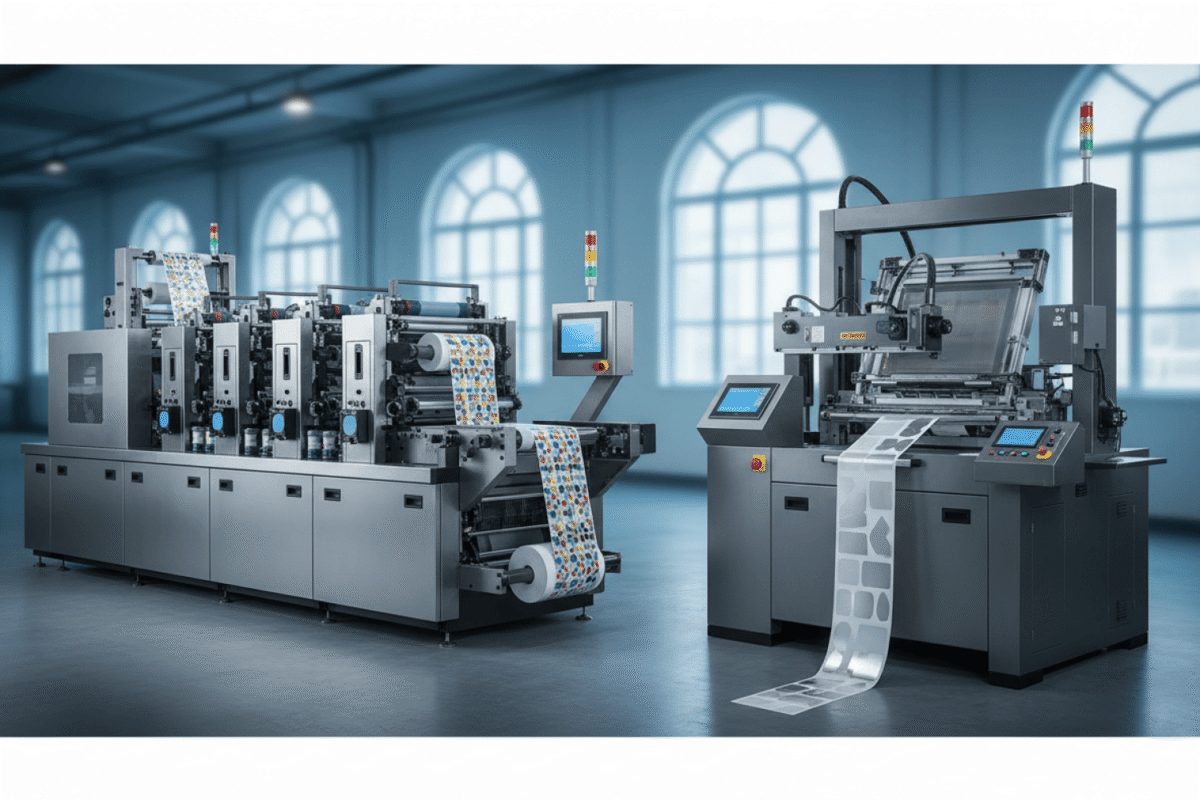
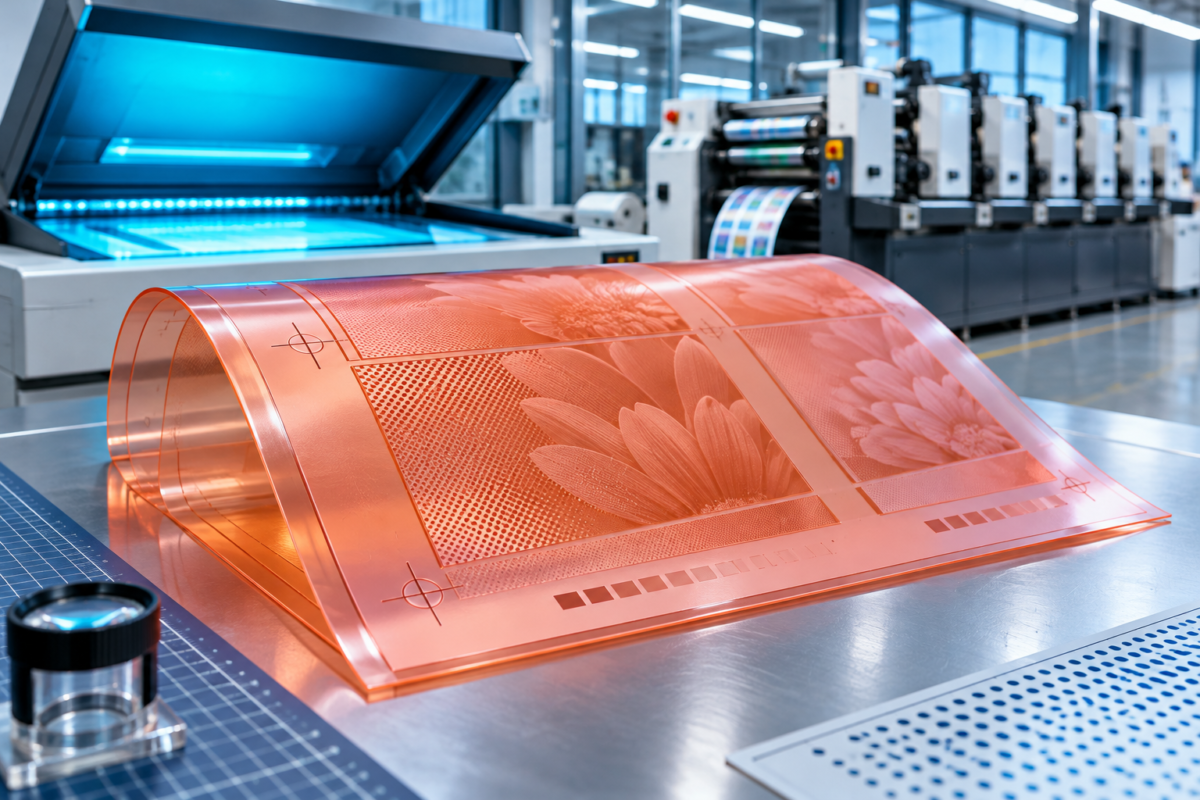
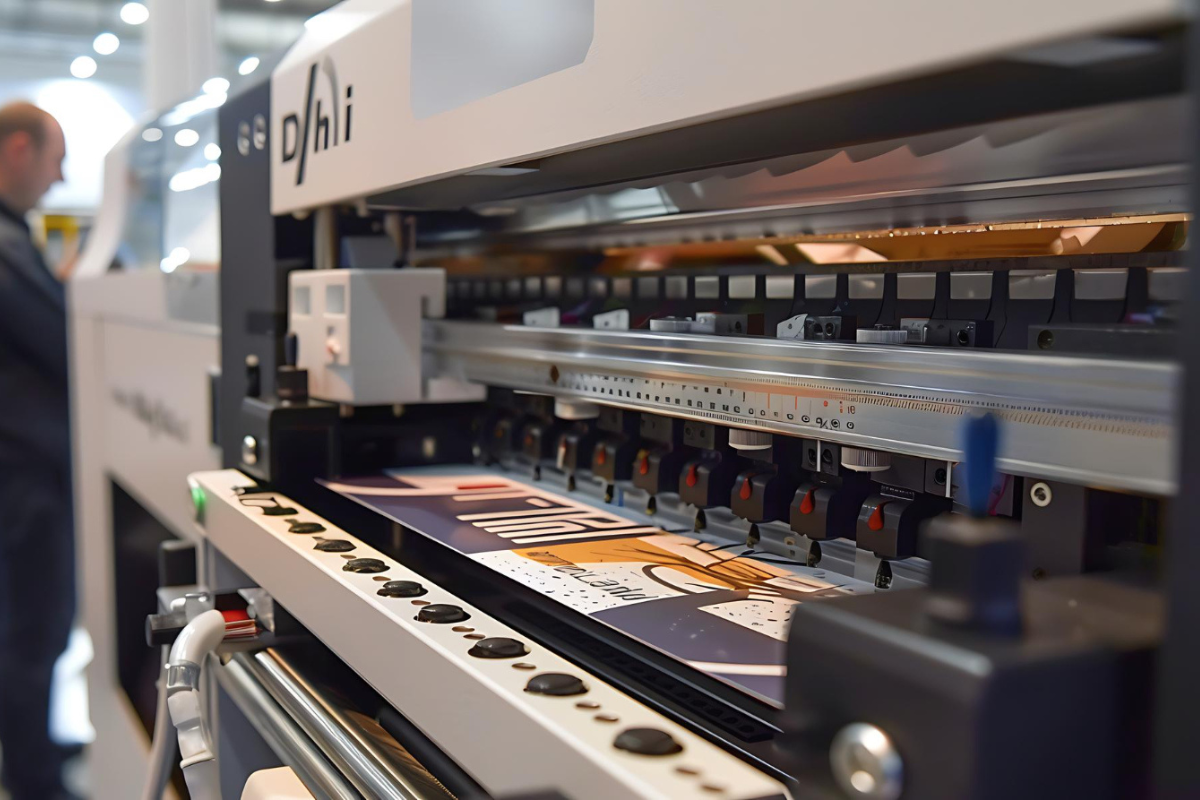
Flexography is a rotary relief-printing process. A measured film of ink is transferred from an engraved anilox roller onto a raised-image flexible printing plate, which prints the moving web against an impression cylinder. Flexographic presses commonly process labels, packaging film, paper, cartons and selected fabric or ribbon applications, depending on the press configuration.
It is generally well suited to continuous production, repeated graphics and multicolor label work. Performance depends on plate preparation, ink chemistry, anilox selection, drying or curing capacity and web-tension control. An important starting point is the JR-1562 6C2C flexographic trademark printing machine product listing; confirm material compatibility and station configuration before comparing quotations.
How a roll-to-roll screen printing machine works
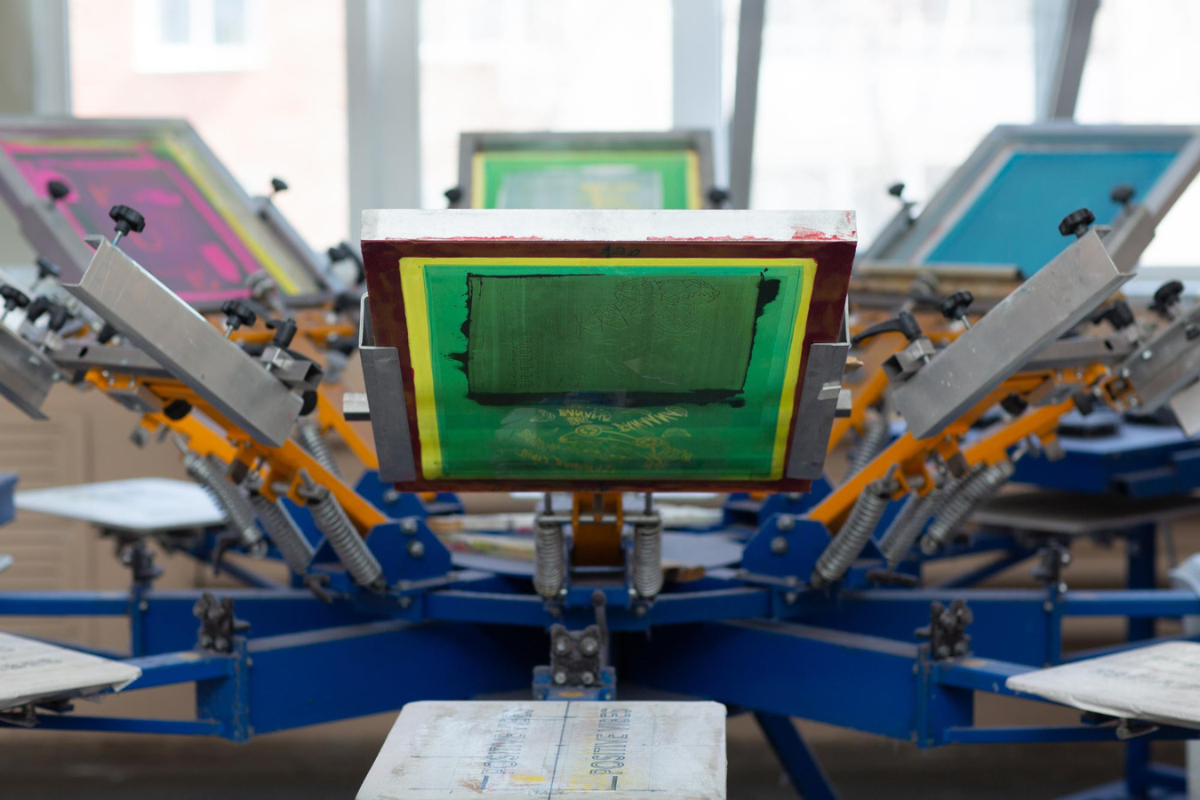
In screen printing, ink passes through open areas of a prepared mesh stencil under the action of a squeegee. Screen processes can deposit relatively heavy ink films, making them particularly useful where high opacity, special inks or raised visual effects are required. Roll-to-roll screen equipment adapts the process to continuous flexible materials, but it has different production and setup characteristics from flexography.
Flexographic vs screen printing: side-by-side comparison
Selection factor
Flexographic machinery
Screen printing machinery
Ink transfer
Anilox roller and flexible printing plate
Mesh stencil and squeegee
Typical strength
Consistent continuous web printing and fine detail
Opaque solids, thicker ink deposits and effects
Production speed
Often favorable for long continuous runs
Varies; specialty screen processes may run slower
Artwork and tooling
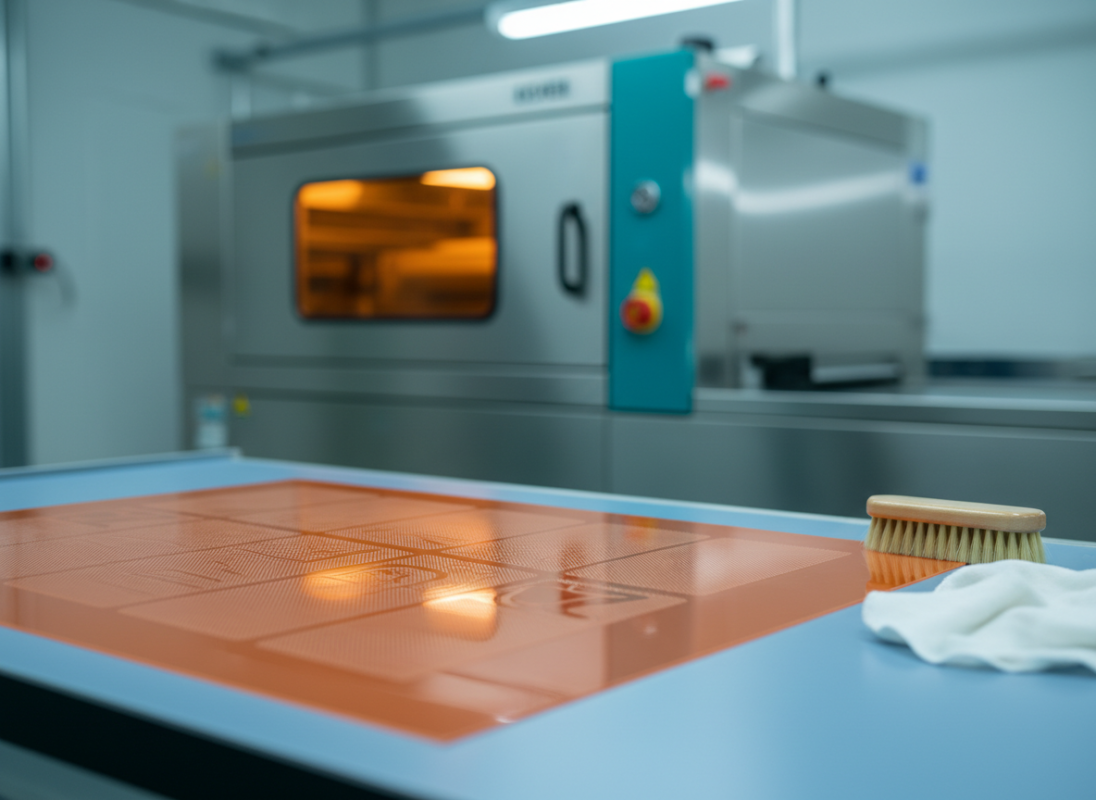
Photopolymer or rubber image plates
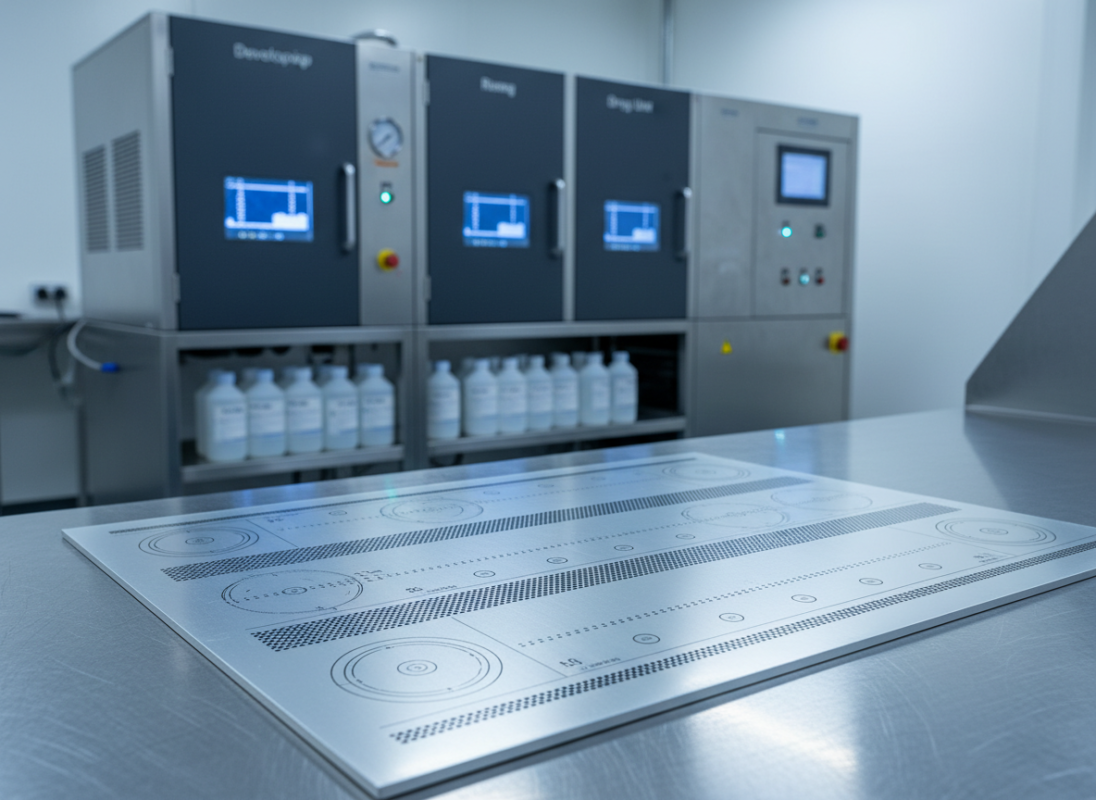
Prepared mesh screens or rotary screens
Ink and substrate
Match ink system to film, paper, label or fabric
Match ink and mesh to compatible substrate
Key setup controls
Anilox, impression, registration, web tension
Mesh, stencil, squeegee, deposition, registration
Finishing
Die cutting, slitting and inspection can be integrated
Finishing depends on available line configuration
These are typical process characteristics, not guarantees about any particular model. The equipment specifications, print samples and actual job requirements should determine the final choice.
Which machine is better for garment and woven labels?
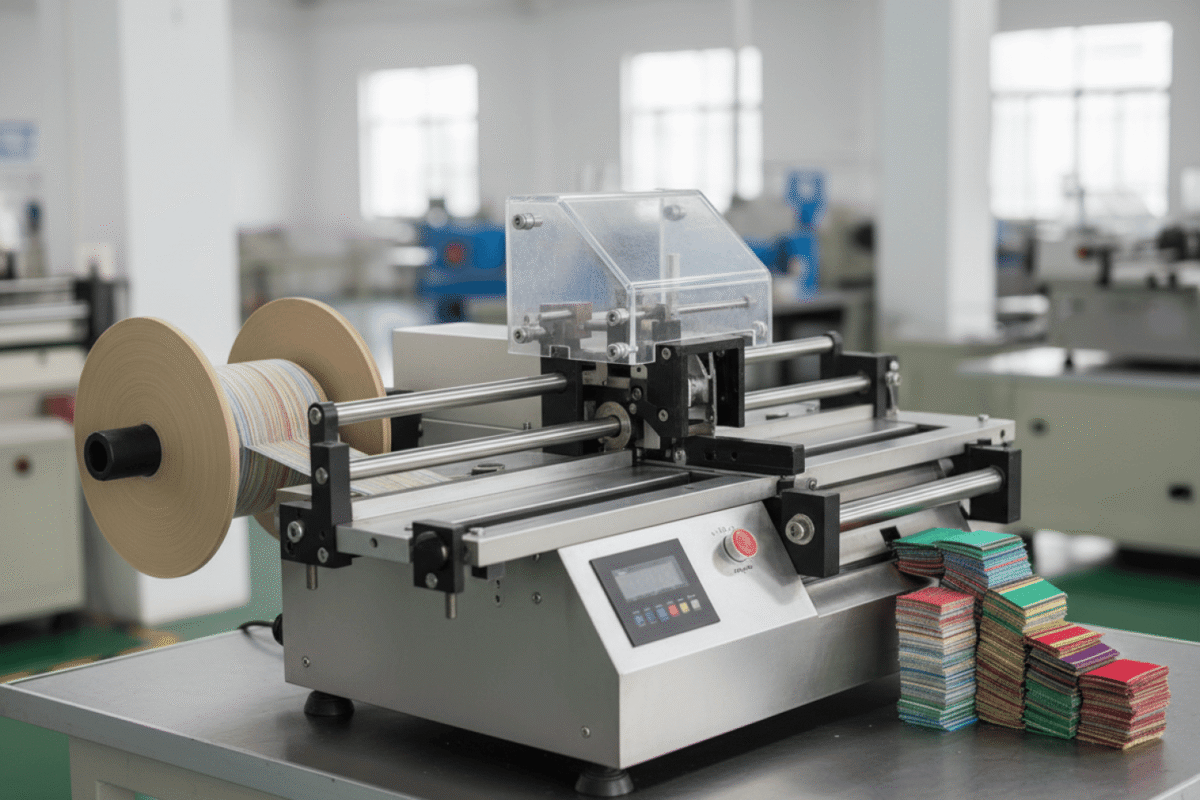
For woven or satin label projects, begin with the fabric construction, ribbon width, ink system, abrasion and wash durability targets, and whether printing is on one or both sides. Some dedicated flexographic trademark machines are designed around ribbon printing and suitable finishing workflows. Specialty screen machines may be preferred for particular ink thickness, opacity or decorative effects.
For a comparison of specific configurations, see the JR-1461S flexographic trademark printing machine listing. Ask the supplier for a trial on the exact textile label material, as claims such as wash resistance depend on ink, substrate, curing and finishing—not on the machine name alone.
Six questions to ask before buying
What will you print? Provide substrates, material width, roll core size, surface treatment and finished-product application.
What print quality is required? Share smallest text, barcode size, artwork detail, solid opacity and approved samples.
What is the realistic run length? Compare order quantities and changeover frequency, not just theoretical maximum speed.
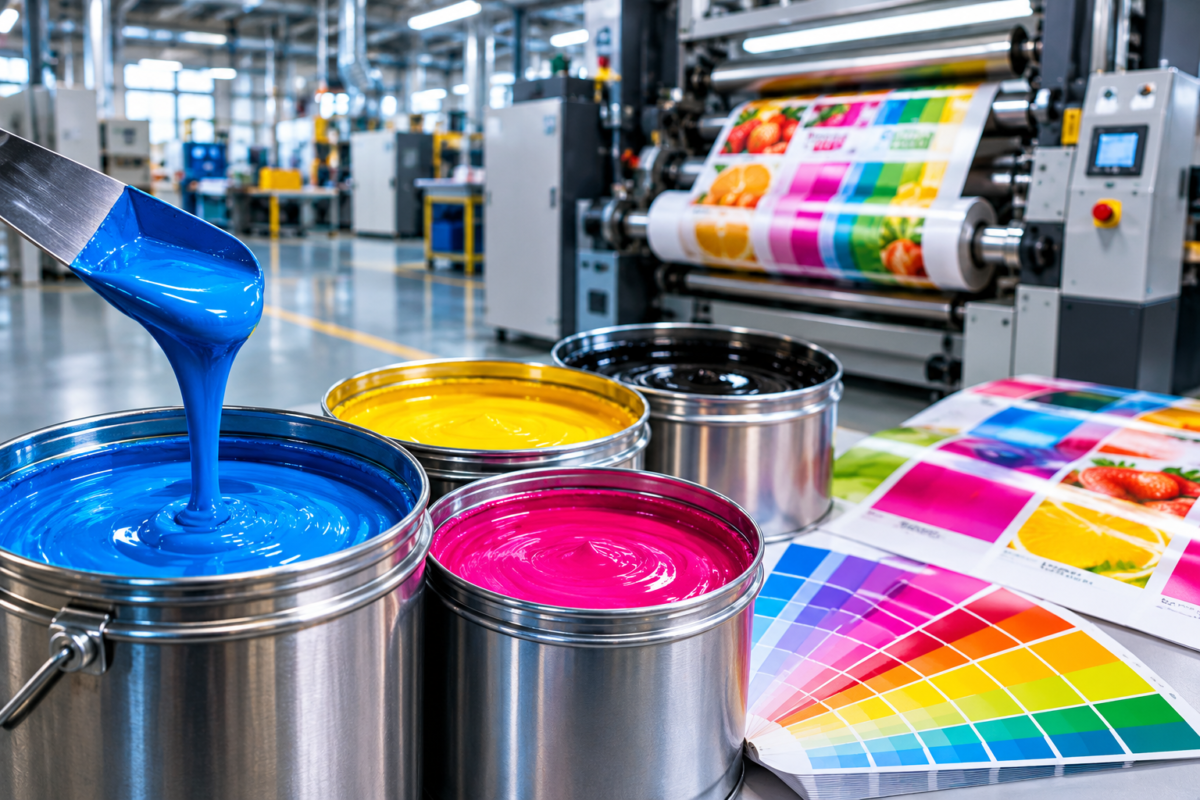
Which ink family will be used? Confirm drying or UV curing equipment, ventilation and ink/plate compatibility.
What finishing is required? Specify slitting, cutting, die cutting, inspection, rewinding, and downstream folding or stacking.
What after-sales support is available? Request installation requirements, operator training, maintenance records and spare-part lead times.
Calculate the total production cost
A lower purchase price does not always mean a lower cost per printed label. Prepare a cost model including machinery, plates or screens, setup waste, ink and cleaning consumables, energy, operators, planned service, rejects and changeover time. For a small custom order, setup time may outweigh continuous speed. For repeat production, stable running cost and quality may matter more.
Comparing quoted maximum speeds without using the same substrate and design.
Assuming a press supports a particular ink system without checking its technical specification.
Buying the printing unit without budgeting for prepress, curing, ventilation and finishing.
Selecting based only on the number of color stations.
Overlooking safety guarding, electrical requirements, training and service support.
Frequently asked questions
Is flexographic printing always faster than screen printing?
No. Flexography often offers higher continuous throughput for suitable label and packaging jobs, but the actual result depends on the machines, substrate, artwork, finishing and changeover requirements.
Can screen printing be used for roll labels?
Yes. Roll-to-roll and rotary screen presses can print labels, especially when an application needs heavy ink laydown or specialist effects.
Which technology is better for fine text and detailed images?
Flexography is often an attractive choice for detailed repeat work when appropriate plates, anilox and press settings are used. Actual screening and barcode readability should be proven on a sample run.
Conclusion
Choosing flexographic versus screen printing machinery starts with the printed product, expected volume and required ink effect. Compare real production samples and full running cost, then choose a model that supports your substrate, prepress workflow and finishing plan.