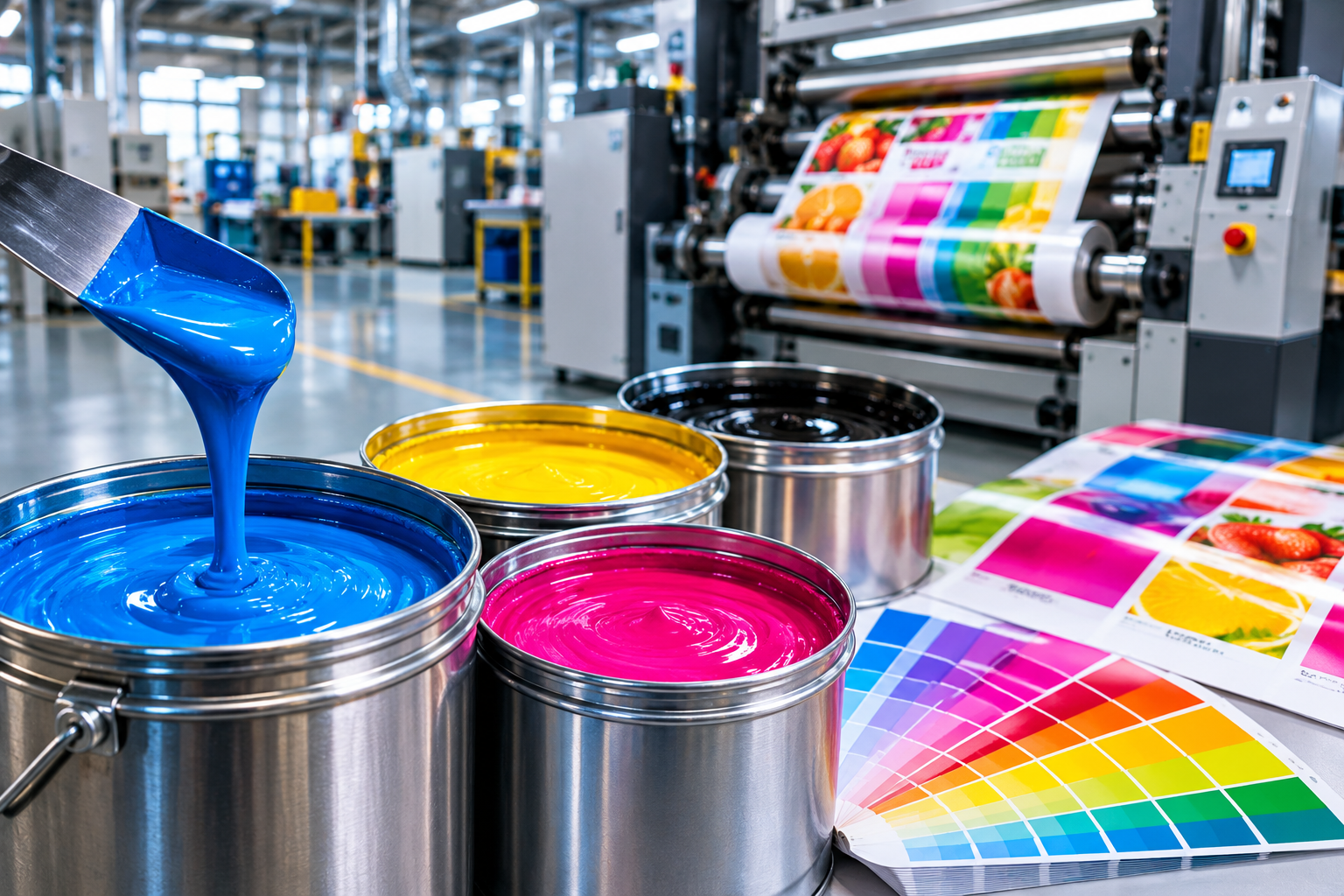
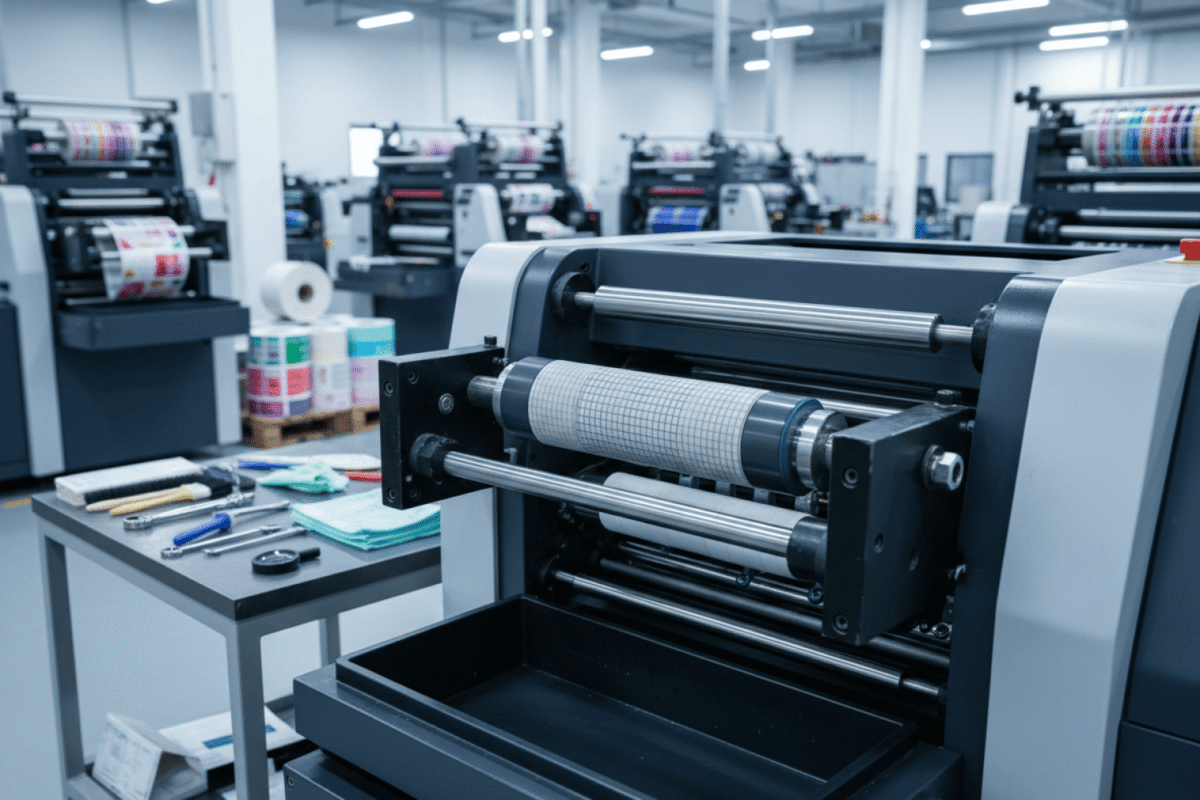
When a printed label looks good on press but the ink scratches, peels or lifts off a plastic film, the problem is not always the ink alone. Printing ink adhesion on plastic film depends on the substrate, surface treatment, ink chemistry and drying or curing conditions working together. This guide explains a practical troubleshooting process for BOPP, PET and PE label and flexible-packaging applications.
Why ink adhesion is harder on plastic films
Unlike absorbent paper, common packaging films are relatively smooth and nonporous. Ink must wet the film surface and develop an adequate bond instead of soaking into the material. Untreated polyethylene (PE) and polypropylene (PP) typically have low surface energy, so printers often use corona-treated film or another approved surface-treatment method.
BOPP (biaxially oriented polypropylene), PET (polyester) and PE behave differently. Treatment levels, surface coatings and ink requirements vary by film grade and by whether the ink is water-based, solvent-based or UV-curable. There is no single dyne value that suits every combination.
Seven common causes of poor ink adhesion
1. Surface treatment is too low or has deteriorated
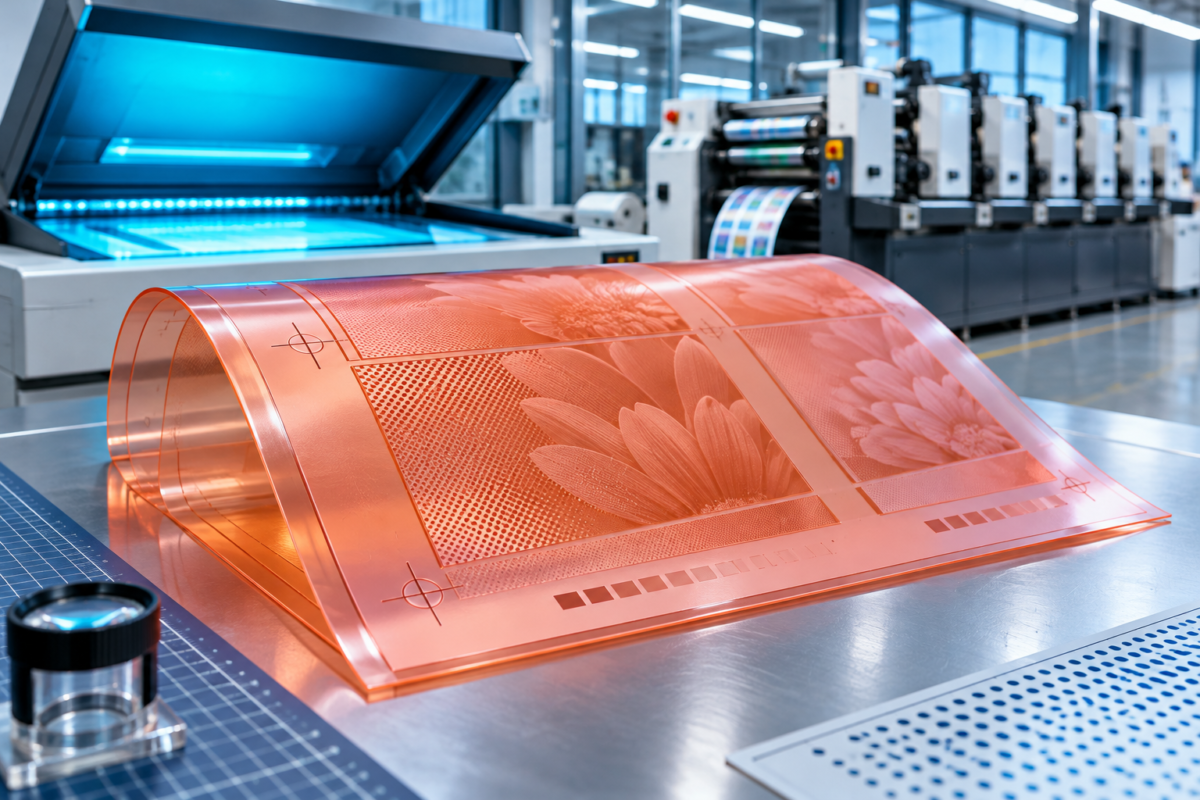
Corona treatment increases the wettability of many plastic films, but its effect can diminish during storage. Check the actual printing side with an appropriate dyne test method before a production run, and compare the result with the film and ink suppliers’ specifications. Do not assume the roll still has the treatment level shown on its original label.
2. The wrong side of the film is being printed
Some films are treated on only one side. Printing on the untreated surface can lead to beading, weak coverage and tape-test failures. Confirm roll orientation and any treatment-side marking before adjusting the ink formulation.
3. Ink chemistry is not compatible with the substrate
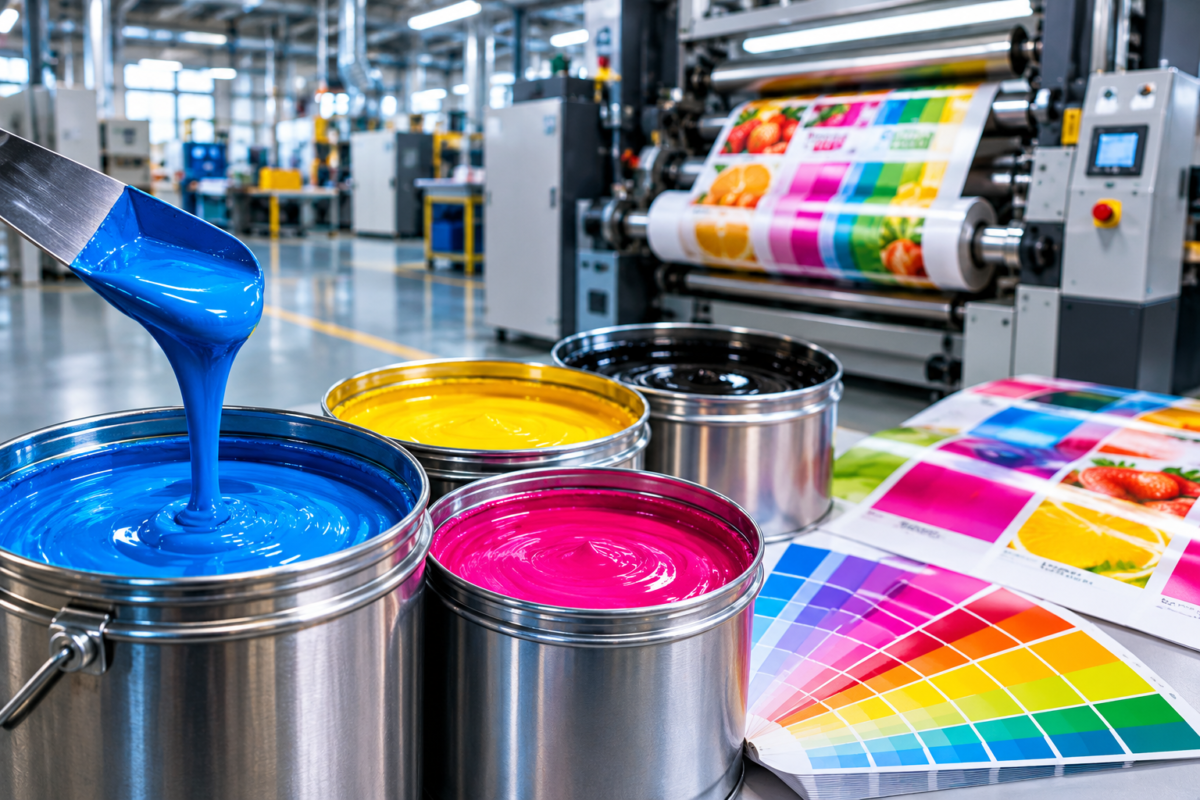
A formulation developed for paper, a particular treated film or a specific printing process may not bond well to another surface. Verify the complete ink system—including primers, reducers, overprint varnishes and subsequent lamination layers—against the actual substrate. Our guide to printing ink types explains the differences between major ink technologies.
4. Drying or UV curing is incomplete
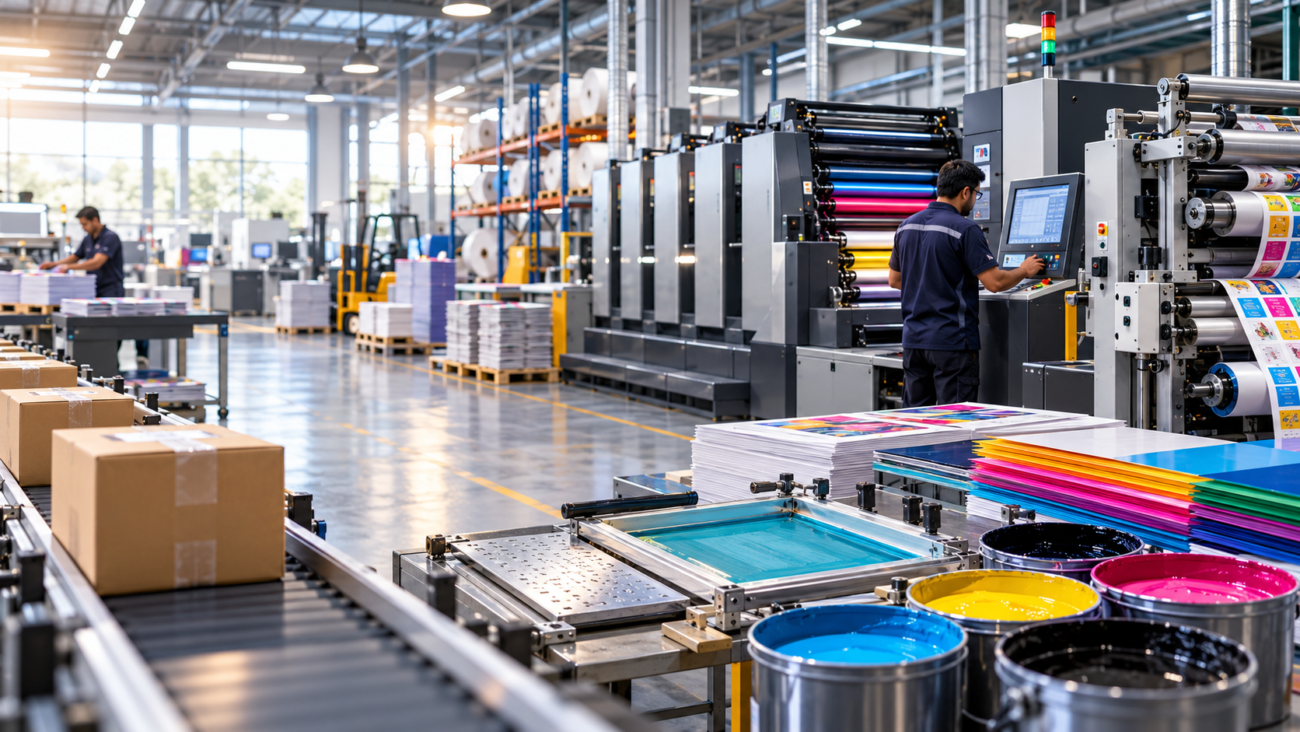
Insufficient hot-air drying, high deposited ink weight, excessive press speed or an incorrectly configured curing system can leave the film susceptible to rubbing, blocking or poor adhesion. Check dryer airflow and temperature, press speed and application weight. For UV inks, verify the approved curing conditions and lamp or LED system rather than assuming more energy is always better.
5. Ink viscosity or pH is outside the approved range
Uncontrolled dilution can alter transfer and film formation. In suitable water-based systems, pH also affects performance. Measure and record ink properties using the manufacturer’s test method, and make adjustments only within the stated operating window. Avoid adding solvents or additives that are not approved for the ink system.
6. Contamination is present on the substrate
Dust, silicone, slip additives, oils or handling residue can prevent ink from wetting the surface evenly. Keep rolls protected, use clean handling procedures and check whether a problematic batch differs from a known-good batch.
7. Layers are incompatible or tested too early
An ink may adhere to the film but fail between successive colors, primers, coatings or adhesives. Some systems also require a defined conditioning period before final adhesion testing. Follow the ink supplier’s approved test timing and evaluate the full printed structure, not just the first color.
A practical ink-adhesion troubleshooting checklist
Check
What to record
What it helps establish
Film and side
BOPP/PET/PE grade, coating, treatment side and roll age
Whether the intended surface is being printed
Surface condition
Dyne-test result using the approved method
Whether treatment may be inadequate
Ink system
Product, batch, reducer, viscosity and applicable pH
Whether the formulation and setup are within specification
Press settings
Speed, anilox, ink laydown, dryer or cure conditions
Whether transfer and drying or curing are consistent
Adhesion test
Approved tape/rub test method, timing and results
Whether the problem repeats after a controlled change
Run one controlled change at a time and compare test strips. This makes it easier to identify a real root cause instead of masking the issue with multiple simultaneous adjustments.
What should printers in Bangladesh check before buying ink?
Confirm the substrate and whether it will be surface-printed, reverse-printed or laminated.
Share the printing process, anilox configuration and drying or curing equipment with the supplier.
Ask for the ink’s technical data sheet, safety documentation and recommended adhesion test.
Request a trial using the actual production film and finishing process.
Where packaging may contact food, verify applicable migration and food-contact requirements with qualified specialists and the full supply chain.
Does a higher dyne level always guarantee better adhesion?
No. Surface energy supports wetting, but ink formulation, cleanliness, drying or curing, and end-use performance all matter. Use the target recommended by the ink and film suppliers, then verify with a production trial.
Can I fix adhesion by increasing ink thickness?
Not reliably. Heavier ink laydown can create new drying or curing problems. Find and correct the cause before increasing ink weight.
Why can the same ink work on one roll but fail on another?
Different film grades, surface-treatment history, storage conditions and surface contamination can change adhesion performance even when the ink stays the same.
Conclusion
The fastest route to reliable ink adhesion on BOPP, PET and PE is a documented process: identify the film, confirm surface treatment, validate ink compatibility and test drying or curing under production conditions. A controlled trial usually provides more useful evidence than replacing materials at random.