
CTP Plate Developers and Printing Consumables: A Practical Maintenance Guide
Consistent offset printing starts with a reliable prepress workflow.
Even when a printing company uses high-quality plates and modern imaging equipment, poor processing conditions can lead to plate defects, unnecessary waste and production delays.
For printing businesses operating conventional chemical-processing CTP systems, effective management of CTP plate developers and consumables is essential.
This guide explains the role of plate developers, other common prepress consumables and practical maintenance procedures.
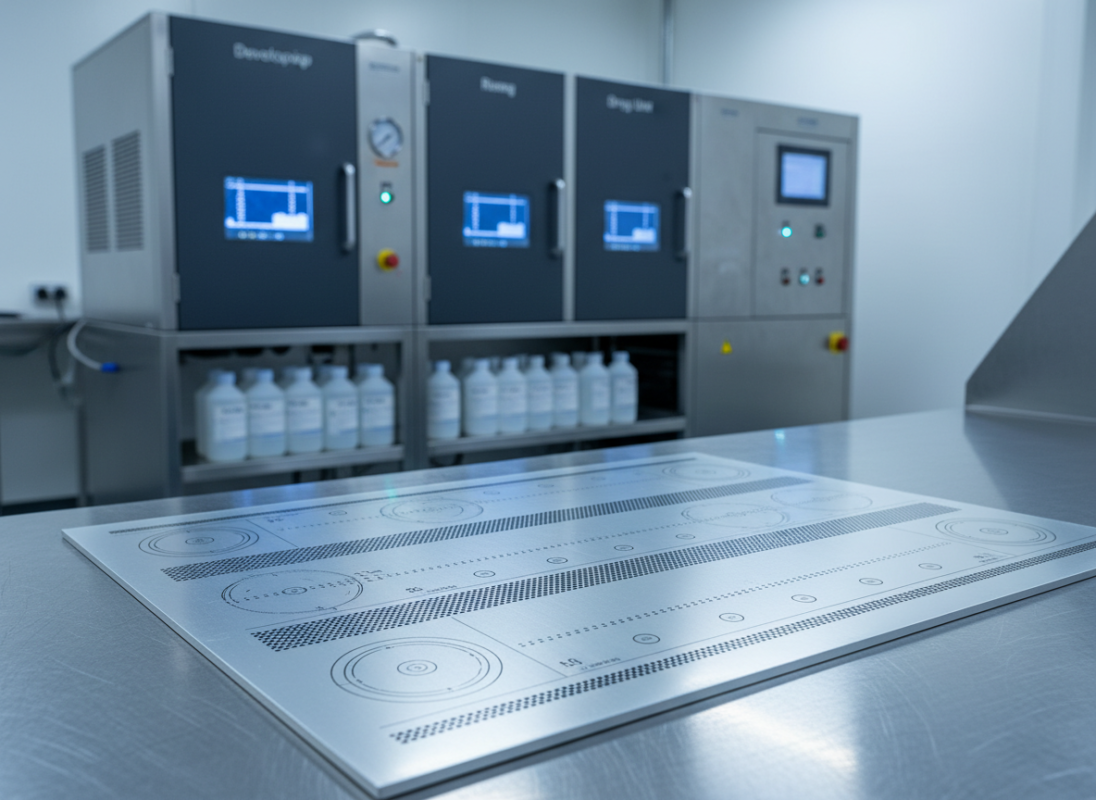
What Is a CTP Plate Developer?
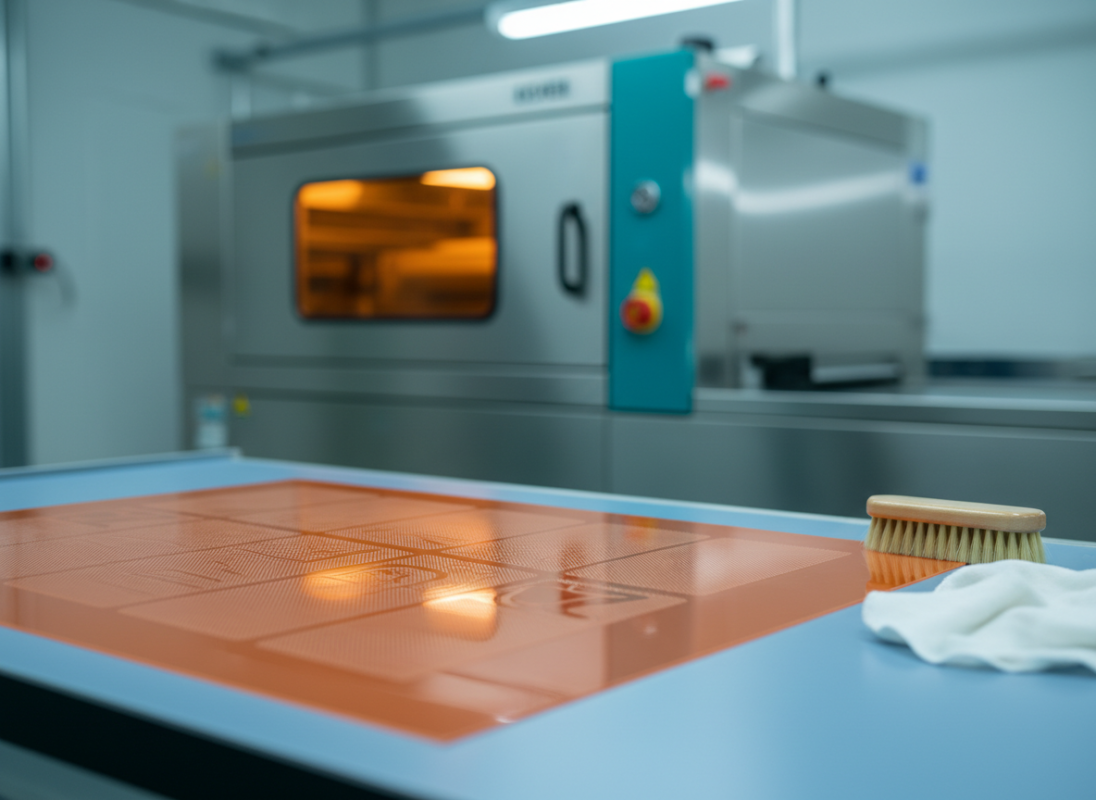
A CTP plate developer is a specially formulated chemical solution used to process compatible imaged printing plates.
Its purpose is to remove the required coating areas according to the plate’s chemistry, allowing the plate to perform correctly during printing.
The developer formulation depends on the plate technology.
For example, a developer designed for one thermal plate system may not be suitable for a different thermal or violet plate.
Some modern plates are process-free or use simplified processing systems, so conventional developer chemistry may not be required.
Common Prepress Consumables
1. Plate Developer
The developer performs the processing step for compatible plates that require chemical development.
Its operating conditions must match the plate and processor manufacturer’s specifications.
2. Developer Replenisher
Replenisher is used in compatible processing systems to help maintain developer activity as the solution ages or processes additional plates.
Replenishment requirements depend on plate chemistry, processor design, operating time and plate throughput.
3. Finishing Gum
Compatible finishing gum solutions are used to protect plate surfaces and help preserve the non-image areas during handling or storage.
Gum selection and application must follow the plate manufacturer’s recommendations.
4. Cleaning and Maintenance Consumables
Depending on the equipment, these may include approved cleaning solutions, filters, rollers and other replaceable maintenance items.
Using suitable consumables helps maintain predictable prepress operation.
Why Developer Maintenance Matters
Developer performance may change during operation because of chemical activity, exposure to air, evaporation, contamination and the number of plates processed.
If the developer condition is outside the approved operating range, plate-processing consistency may deteriorate.
Potential problems include:
Incomplete coating removal
Unwanted background staining
Inconsistent image reproduction
Excessive plate-processing variability
Increased plate remakes
Routine monitoring helps identify processing problems before they affect production.
Step-by-Step CTP Processor Maintenance
Step 1: Confirm Plate and Chemistry Compatibility
Before preparing any processing solution, verify the plate model, developer formulation and processor compatibility.
Use the manufacturer’s technical data sheet and safety data sheet.
Never mix different chemical products unless the manufacturer explicitly permits it.
Step 2: Check Processor Operating Conditions
Confirm that the machine is operating within the recommended range.
Depending on the processing system, important parameters may include:
Developer temperature
Processing speed
Replenishment operation
Solution level
Roller and brush condition
Filtration performance
Use manufacturer-specified values rather than generic settings.
Step 3: Monitor Developer Activity
Some processing systems use conductivity measurements, while others may use pH measurements or different control methods.
Select the correct monitoring procedure for the chemistry in use.
Record measurements to identify performance changes over time.

Step 4: Inspect Plate Transport Components
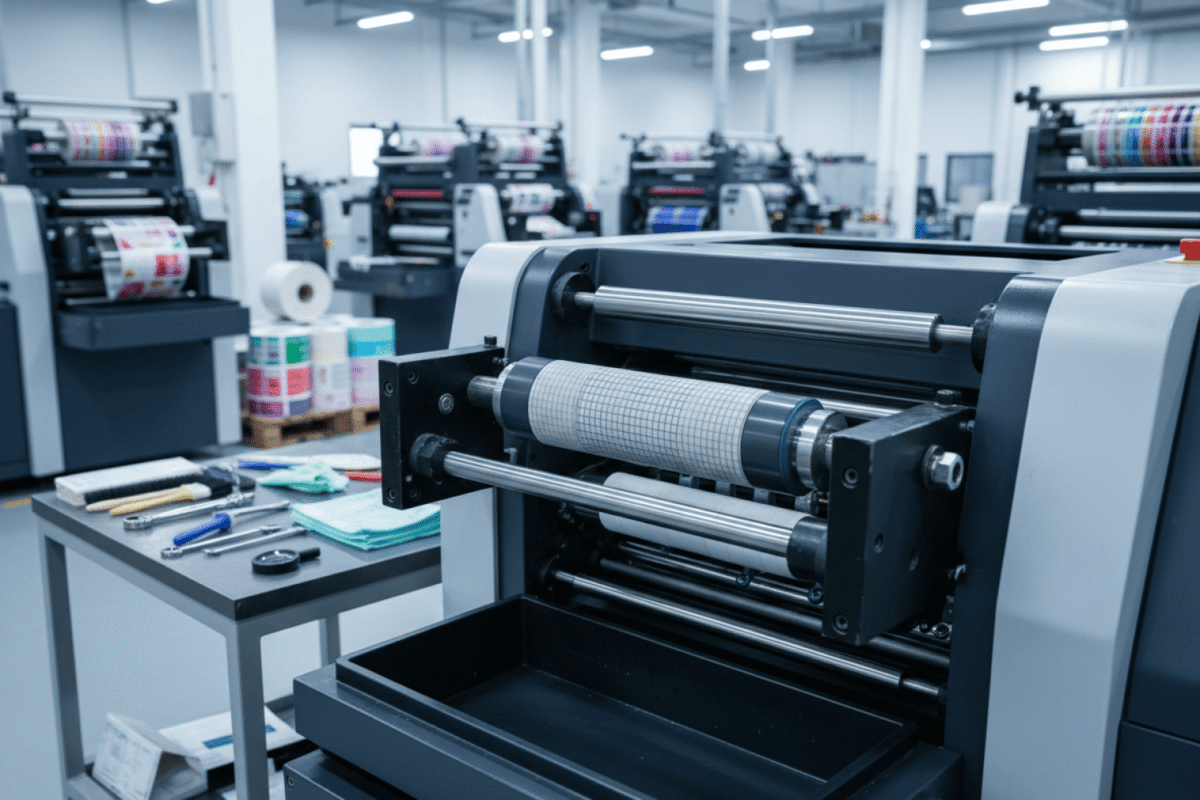
Check that transport rollers and associated components are clean, correctly positioned and free from obvious damage.
Contaminated or worn components can cause uneven processing and physical plate defects.
Maintenance requiring access to moving parts should be performed only by authorized personnel with the equipment safely isolated.
Step 5: Verify Replenishment Operation
Confirm that the replenishment system is working according to the manufacturer’s specifications.
Insufficient or excessive replenishment may affect chemistry performance and operating costs.
Do not adjust replenishment quantities without reference to the approved processing instructions.
Step 6: Inspect Processed Plates
Use the manufacturer’s recommended test image or plate control strip to assess processing consistency.
Look for background contamination, missing image details, uneven processing or mechanical damage.
Step 7: Record Maintenance Activities
Maintain a routine log of developer changes, measurements, cleaning, replenishment and observed defects.
This history can make troubleshooting easier and support preventive maintenance planning.
Developer and Consumable Storage
Printing chemicals should be stored according to their individual product instructions and safety data sheets.
General good practices include keeping containers correctly labeled and securely closed, avoiding unsuitable temperatures or direct sunlight, and separating incompatible chemicals.
Use appropriate personal protective equipment and chemical-handling procedures.
Chemical waste must be managed according to applicable regulations and authorized disposal methods. It should not be discharged into ordinary drains unless specifically permitted.
Common CTP Processing Problems and Possible Causes
| Problem | What to investigate |
|---|---|
| Incomplete development | Developer activity, temperature or processing settings |
| Uneven processing | Roller condition, contamination or chemical distribution |
| Unexpected plate staining | Chemistry compatibility, processing condition or handling |
| Excessive chemical consumption | Replenishment settings, leaks or processor operation |
| Frequent plate defects | Imaging calibration, processing and plate transport |
These are diagnostic starting points, not universal causes. Always follow the equipment manufacturer’s troubleshooting procedure.
When Should Developer Be Replaced?
There is no single replacement interval suitable for every CTP processing system.
Developer replacement depends on the chemistry, processor capacity, operating conditions, workload and manufacturer-defined limits.
Some systems also provide automated chemistry-management functions that extend solution life when operated correctly.
Follow documented replacement criteria rather than relying only on appearance or elapsed time.

Conclusion
Managing CTP plate developers and printing consumables is an important part of reliable prepress production.
Correct chemical selection, routine process monitoring, equipment maintenance and appropriate storage practices can improve consistency and reduce avoidable printing problems.
Looking for plate developers or printing consumables in Bangladesh?
Materials Index BD supplies printing industry materials and related production solutions.
Contact Materials Index BD with your plate model, processor details and existing chemical specifications to discuss compatible product options.